British weather has always been unpredictable, but in recent years we’ve seen more frequent heatwaves and wetter winters. These changing conditions can have a significant impact on your driveway, causing everything from cracks and fading to drainage issues and weed growth.
At Symes Paving, we understand the importance of creating driveways that can withstand the changing British climate. Whether your driveway is made from block paving, resin, tarmac or gravel, regular maintenance can help extend its lifespan and keep it looking its best. A few simple preventative measures can also save you money by reducing the need for more costly repairs in the future.
Here are seven practical ways to protect your driveway from extreme weather.

1. Keep your driveway clean throughout the year
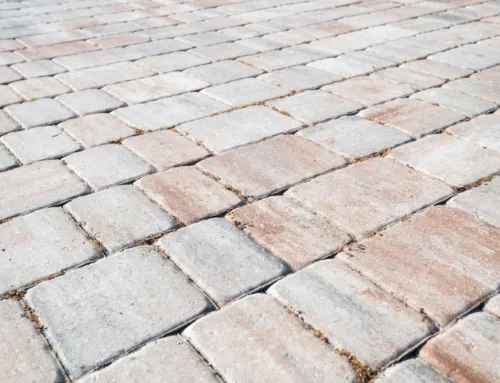
One of the easiest ways to protect your driveway is to keep it clean. Leaves, dirt and other debris can trap moisture against the surface, encouraging moss, algae and weeds to grow. Not only can this make your driveway look untidy, but it can also create slippery conditions during wet weather. Sweeping your driveway regularly and having it professionally cleaned when required will remove stubborn dirt and help you spot any developing problems before they become more serious.
2. Check for standing water after heavy rain
Heavy rainfall is becoming increasingly common, making good drainage more important than ever. After periods of rain, check whether water is pooling on your driveway. Persistent puddles can indicate drainage problems or areas where the surface has started to sink. If left unresolved, standing water can gradually weaken the foundation beneath the driveway and lead to movement or cracking. If you notice recurring drainage issues, it’s worth seeking professional advice before the damage worsens.
3. Repair cracks and loose paving as soon as possible
Small cracks and loose blocks may not seem like a major concern, but they can quickly develop into larger problems. Water can seep into damaged areas and, during freezing weather, expand as it turns to ice. This freeze-thaw cycle places additional pressure on the surface, causing cracks to widen and areas of the driveway to weaken. Similar to how potholes form on roads, repeated freezing and thawing can eventually cause sections of a driveway to break down, sink or become uneven. By dealing with minor repairs early, you can help prevent more extensive damage and avoid the cost of replacing large sections of your driveway in the future.
4. Consider sealing your driveway
Applying a quality sealant to your driveway can provide an extra layer of protection against the elements. A driveway sealant helps reduce water penetration, protect against UV damage, minimise staining from oil or fuel, and can even discourage weed growth between joints. It can also help many driveways retain their colour and fresh appearance for longer. However, not every driveway requires sealing, and using the wrong product can affect the appearance and performance of the surface. If you’re unsure whether sealing is suitable for your driveway, our professional team can provide expert advice.
5. Remove weeds and moss before they spread
Weeds often begin as a minor nuisance but can gradually affect the condition of your driveway. Roots can force their way between paving joints, while moss and algae retain moisture and make surfaces slippery. These problems are particularly common in shaded areas or after prolonged wet weather. Removing weeds as they appear and treating moss before it becomes established will help keep your driveway both attractive and safe.
6. Avoid placing excessive weight on your driveway
Most residential driveways are designed for everyday vehicle use, but repeated pressure from unusually heavy vehicles, skips or machinery can damage the surface over time. Parking large vehicles, such as caravans or trailers, in the same spot for extended periods may cause dips or movement, particularly if the driveway is older or wasn’t installed with an adequate foundation. Where possible, spread heavy loads and avoid unnecessary strain on one section of the driveway.
7. Choose quality installation from the start
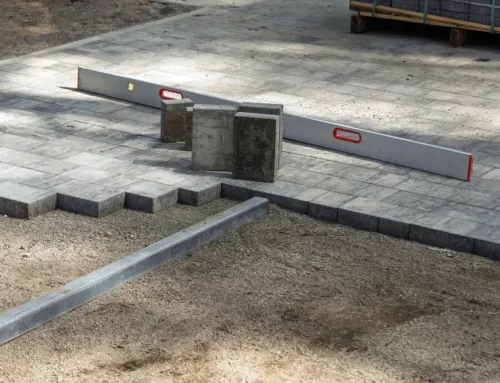
The best way to protect your driveway from extreme weather begins long before the first frost or heatwave. A professionally installed driveway starts with proper ground preparation, high-quality materials and effective drainage. These foundations help prevent movement, reduce the risk of cracking and ensure rainwater drains away efficiently.
If you’re considering a new driveway or replacing an existing one, Symes Paving’s City & Guilds-qualified team has over 20 years of experience installing high-quality driveways across South London and Surrey. We’ll help you choose the right solution for your property and create a durable, attractive surface that’s built to withstand the British weather for years to come. Contact us today for a free, no-obligation quotation. Call 07464 246 241 or email info@symespaving.co.uk.